

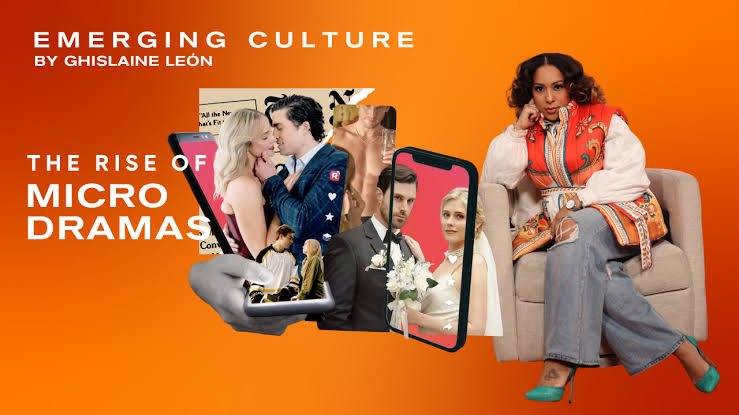
Microdramas Explained: Why 2-Minute Episodes Are Changing Television
Television traditionally asks viewers to sit down for 30 minutes, an hour, or even longer.
Microdramas are changing that idea.
Instead of watching a full-length episode, viewers can now watch a complete dramatic story through dozens of extremely short episodes, often designed specifically for smartphones.
Some episodes can last only a few minutes.
The format is attracting millions of viewers and creating a new way for audiences to consume entertainment.
What Are Microdramas?
Microdramas are short-form scripted shows built around fast storytelling.
Unlike traditional television, microdramas usually feature:
- Very short episodes
- Mobile-first viewing
- Vertical video formats
- Frequent cliffhangers
- Fast-moving storylines
- Highly emotional plots
An episode may end just as something important happens, encouraging viewers to immediately watch the next one.
Why Are Microdramas Becoming Popular?
1. People Have Less Time
Modern audiences consume content throughout the day.
Someone waiting for a ride, taking a lunch break, or sitting on public transport may not have time for a traditional television episode.
A two-minute episode is much easier to fit into a busy schedule.
2. Smartphones Changed Entertainment
Most people already carry a powerful screen in their pocket.
Microdramas are designed around this behavior.
Instead of requiring viewers to sit in front of a television, these shows can be watched almost anywhere.
3. Cliffhangers Keep Viewers Watching
Microdramas often use strong cliffhangers.
A character discovers a secret.
A relationship suddenly changes.
A major confrontation begins.
Then the episode ends.
The viewer wants to know what happens next, creating a natural reason to continue watching.
How Microdramas Make Money
The business model can vary.
Some platforms use advertising, while others offer free episodes followed by paid content.
This creates a structure where viewers can become invested in a story before deciding whether they want to spend money to continue watching.
Are Microdramas Replacing Traditional TV?
Probably not completely.
Traditional television and streaming platforms still offer something microdramas cannot always provide: longer storytelling with more time for character development and complex narratives.
Instead, microdramas are creating another category of entertainment.
Just as short-form video did not completely eliminate movies and television, microdramas are more likely to become another format within the entertainment ecosystem.
The Future of Short-Form Storytelling
The success of microdramas demonstrates an important change in entertainment.
Audiences don't necessarily need longer content.
They need content that fits the way they live.
As smartphones, social platforms, and streaming services continue to evolve, storytelling will likely become even more flexible.
The biggest change may not be the length of the episode.
It may be the fact that entertainment is increasingly being designed around the viewer's attention span, device, and daily routine.
Final Thoughts
Microdramas are a clear example of how technology can change storytelling.
Their short episodes, mobile-first design, emotional narratives, and constant cliffhangers make them highly compatible with modern viewing habits.
Whether they become a dominant entertainment format or remain a specialized category, one thing is clear:
The way people watch stories is changing.

Comments (0)
Login to leave a comment.
No comments yet. Be the first to comment!