
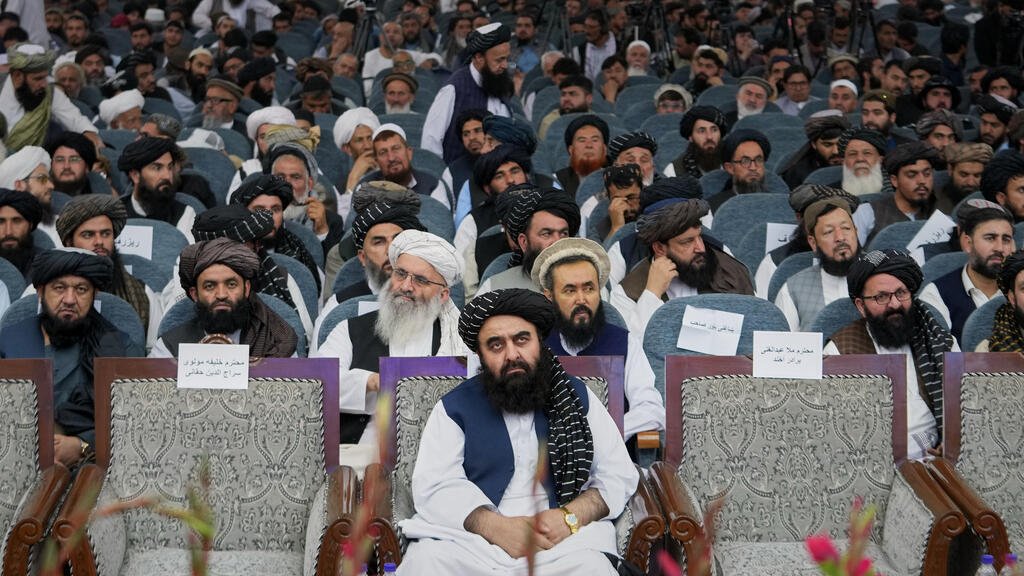
Five years after the Taliban returned to power in Afghanistan, the country remains at the center of international attention.
The Taliban seized Kabul in August 2021 following the withdrawal of U.S. and allied forces, ending two decades of international military involvement in the country.
Five years later, the Taliban remains in control, while Afghanistan continues to face difficult political, economic and humanitarian conditions.
The anniversary has renewed debate over what the Taliban has achieved since returning to power and the consequences of its policies for Afghan society.
The Taliban Returned to Power in 2021
The Taliban entered Kabul in August 2021 as the Afghan government and security forces rapidly collapsed.
The change in power marked the end of the previous Afghan political system and created a new relationship between Afghanistan and the international community.
Since then, the Taliban has consolidated its control over the country.
However, international recognition has remained a major issue.
Women's Rights Remain a Major International Concern
One of the most significant areas of international criticism has been the treatment of women and girls.
Afghan women and girls have faced severe restrictions on education, employment and participation in public life under Taliban rule.
International organizations and governments have repeatedly called for greater access to education and employment.
The fifth anniversary has again brought attention to the impact of these policies.
Education Has Been Heavily Affected
Education remains one of the most contentious issues.
Girls' access to secondary education has been severely restricted, while women have also faced restrictions on higher education.
NPR reported on the continuing impact of Taliban policies on education for girls and boys.
For Afghan families, the restrictions have created long-term concerns about opportunities for a generation of young people.
Economic Challenges Continue
Afghanistan's economy remains under pressure.
The country faces:
- High levels of poverty
- Limited employment opportunities
- Humanitarian needs
- Restrictions affecting international economic engagement
- Dependence on external assistance
The economic situation is closely connected to Afghanistan's relationship with the international community.
Humanitarian Needs Remain Significant
Millions of Afghans continue to require humanitarian assistance.
Food security, healthcare, employment and access to basic services remain major concerns.
International aid has therefore remained an important part of Afghanistan's humanitarian situation.
However, aid organizations also face challenges operating under Taliban restrictions.
International Relations Remain Complicated
The Taliban government has attempted to strengthen relations with regional countries while seeking broader international recognition.
Afghanistan's neighbors have strategic interests involving:
- Security
- Trade
- Migration
- Border management
- Terrorism concerns
- Regional connectivity
Countries in the region have generally maintained engagement with Afghanistan while taking different approaches toward formal recognition.
Security Has Changed, But Challenges Remain
The security situation is different from the period when Taliban forces were fighting the former Afghan government and international troops.
However, Afghanistan continues to face threats from militant organizations, including Islamic State Khorasan.
Security remains a concern for the Taliban government and neighboring countries.
Five Years On, Afghanistan Remains in Transition
The fifth anniversary provides an opportunity to assess Afghanistan beyond the headlines.
The Taliban has maintained political control, but major questions remain about:
- International recognition
- Women's rights
- Education
- Economic development
- Humanitarian assistance
- Security
- Afghanistan's relationship with neighboring countries
The country remains deeply connected to wider regional politics.
Key Takeaways
- The Taliban returned to power in August 2021.
- Afghanistan is marking five years under Taliban rule.
- Women's rights remain a major international concern.
- Restrictions on girls' education continue to attract global criticism.
- Economic and humanitarian challenges remain significant.
- The Taliban continues seeking stronger regional and international relations.
- Security threats have not disappeared.
Conclusion
Five years after the Taliban returned to power, Afghanistan remains a country undergoing major political and social change.
The Taliban has maintained control, but governing the country involves challenges extending far beyond military victory. Economic conditions, humanitarian needs, education, women's rights, security and international relations continue to shape Afghanistan's future.
The fifth anniversary therefore represents not only a milestone for the Taliban, but also a moment to examine the consequences of five years of Taliban rule for ordinary Afghans.
Source:
CNN, Al Jazeera, The New York Times and NPR reporting on Afghanistan's fifth anniversary.
Comments (0)
Login to leave a comment.
No comments yet. Be the first to comment!